Charlotte Brush: A Handcrafted Font for Makers and Sellers
If you create physical products, printables, or handmade goods, you know that the right font can make or break a design. It needs to be attractive enough to stop a customer mid-scroll, yet functional enough to cut cleanly on a Cricut or print legibly on a tiny product label. I recently started using the Charlotte Brush font in my own shop, and it has quickly become a staple in my toolkit. Let me walk you through why this particular script font – born from the unexpected pairing of a brush pen and a pencil – is so incredibly endearing and versatile for practical craft and product-based projects.
The Unique Charm of a Brush Pen and Pencil Hybrid
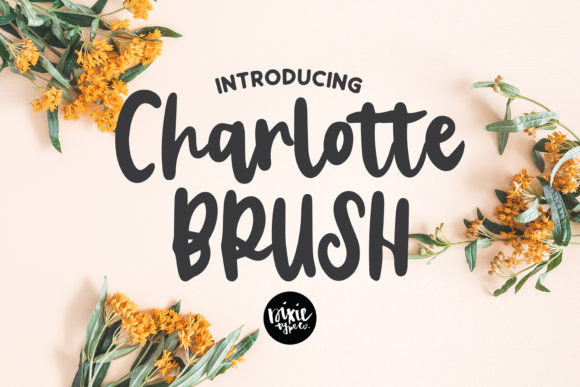
What makes Charlotte Brush stand out in a sea of handwritten fonts is its authentic texture. It doesn't look perfectly crisp or artificially vectorized. Instead, it carries the subtle grain of a pencil and the fluid, varied stroke width of a brush pen. This gives it an approachable, authentic feel that is highly sought after in the handmade marketplace. For my own product labels, I find that this texture adds a layer of perceived value. Customers often perceive the products as more artisanal and thoughtfully made when the typography doesn't scream "digital template."
This makes it a fantastic choice for establishing a strong brand identity for a small shop. Whether you are designing for web design mockups or finalizing packaging for a batch of handmade candles, Charlotte Brush brings a consistent, warm voice to your brand visuals. It bridges the gap between a polished display font and a raw, personal handwritten note.
Practical Applications for Your Handmade Products
I have tested Charlotte Brush across several different product categories in my own shop, and it holds up remarkably well. Its well-balanced letterforms make it suitable for both short phrases and slightly longer lines of text. Here are a few areas where it truly shines:
- Product Labels & Sticker Sheets: This font is a workhorse for labeling. I use it for my honey jar labels, lip balm tubes, and bath salt sachets. Its readability, even at smaller sizes, is excellent for a handwritten font. The ligatures and alternate characters help avoid the "repeat letter" look that can cheapen a sticker sheet. For bath and body products, the script adds a spa-like, organic feel. For food and drink packaging, it gives a farm-to-table authenticity.
- Greeting Cards & Stationery: For birthday cards or thank-you notes, Charlotte Brush creates a lovely, personal touch. It works beautifully for short sentiments like "You're the Best" or "Happy Everything." I particularly love using it for wedding invitation suites where the couple wants a relaxed, rustic, or garden-party vibe. The slight pencil texture photographs beautifully, making it a favorite for detail shots.
- Home Decor & Signs: If you sell farmhouse-style signs or SVGs for mugs and tote bags, Charlotte Brush is ideal. Its slight roughness prevents it from looking out of place on a reclaimed wood sign or a ceramic mug design. I recently used it for a "Gather" sign, and the natural texture of the font mimicked the texture of the wood grain perfectly. It is also a strong choice for vinyl projects. When I cut it for a custom tote bag, the weeding process was straightforward because the letterforms are distinct and well-spaced.
- Digital Printables & Planners: For printable wall art and planner pages, the font provides a sophisticated yet accessible look. It doesn't distract the user but instead adds to the aesthetic appeal of the layout. It pairs nicely with simple icons and borders, making it a top-tier creative font for digital designers.
Readability and Performance in Production
One of my main concerns when using a textured script font is how it will perform in production. Will the thin parts of the letters disappear when I scale it down for a tiny tag? Will the intricate strokes merge together when I cut it from vinyl?
Charlotte Brush handles these challenges gracefully. The pencil and brush combination creates a stroke that is sturdy where it needs to be, with just enough delicate variation to keep it interesting. When I upload it to my Silhouette Studio or Cricut Design Space, the letterforms cut cleanly without excessive weeding issues. For print-on-demand products like mugs and t-shirts, the font maintains its integrity and remains highly legible. I always recommend doing a test cut or print at the final size, but I have found this font to be very reliable for both large-format signs and small product tags.
Typography Tips: Pairing Charlotte Brush with Other Fonts
No typeface works entirely alone, and knowing how to pair Charlotte Brush can elevate your product designs from "homemade" to "professionally handcrafted." Because it is such an expressive handwritten font, it needs a supportive partner to create a clear hierarchy.
Pair with a Clean Sans Serif Font: For product packaging, I often pair Charlotte Brush with a simple sans serif font like Montserrat or Lato for the ingredients list or product description. The contrast between the expressive script and a clean, modern sans serif creates a balanced, easy-to-read hierarchy. This is a classic and reliable pairing for packaging design and ensures your label looks organized and professional.
Pair with a Classic Serif Font: If your brand is more vintage or editorial, pairing Charlotte Brush with a serif font like Playfair Display or Cormorant can look stunning. Use the serif for the body text on a tag or the back of a card, and reserve Charlotte Brush for the main headline or brand name. This combination feels established and trustworthy, which is great for high-end stationery or boutique branding.
Pair with Another Display Font: For more playful or themed projects, like holiday packaging or children's party invitations, Charlotte Brush pairs nicely with a bold display font. Use the display font for numbers or single words, and the script for the flowing phrase. Just be sure not to use two competing scripts, as that creates visual noise. The key is to let Charlotte Brush be the star of your logo design or headline, while its companion keeps the layout grounded and easy to navigate.
Technical Features That Make a Difference
When you purchase a premium font like Charlotte Brush from a foundry like Script Amp, you are not just getting a single lettering style. You are gaining access to a set of design assets that give you professional-level control over your modern typography.
- Ligatures and Swashes: These are automatic or easily accessible letter combinations that ensure your text looks fluid and natural. For example, the "th" or "en" pairings will flow together seamlessly. This is invaluable for logo design or branding marks where you want a polished, custom look without having to manually edit vector paths.
- Alternate Characters: A good typeface will offer multiple versions of the same letter. This is crucial for making a phrase look truly handwritten rather than typed. If your label has two "a"s or "e"s, you can swap in an alternate to keep the design organic. This feature alone can make your social media graphics and product mockups look infinitely more bespoke.
- Multilingual Support: If you sell to an international audience or need accents for specific names, check the font's character set. Charlotte Brush includes support for a wide range of languages, making it a flexible choice for a global shop.
- File Formats (OTF, TTF, WOFF): The OpenType format (.OTF) is generally preferred for crafters using Cricut or Silhouette because it contains all the advanced typographic features. The TrueType (.TTF) is great for older software, and WOFF is ideal for web design or showcasing your products online.
Understanding Commercial Licensing for Your Business
This is the most critical part of using any font in a product-based business. As a seller of handmade goods, printable templates, or digital designs, you absolutely must pay attention to the commercial font license.
Charlotte Brush is a premium script font, and using it correctly ensures you are supporting the designer while protecting your own business from legal liability. Using a font without the proper license can jeopardize your shop's reputation.
Standard License: This usually covers you for a set number of sales of physical products (e.g., up to 10,000 or 50,000 sales). If you are making candles, t-shirts, signs, or stationery for sale, a standard license is the bare minimum you need. It covers your direct-to-consumer physical goods.
Extended License: If you are creating digital products like Canva templates, SVG design bundles, or printable wedding invitations where the end user will edit the text, you will likely need an extended license. This allows you to embed the font into a template that a customer can use. Always read the specific terms from the foundry, but remember: investing in the right commercial font license is investing in the longevity and professionalism of your brand. It is a small price to pay for peace of mind and a high-quality creative asset.
Charlotte Brush brings the handmade aesthetic that customers are actively seeking in a saturated market. It delivers warmth, authenticity, and a touch of artistic flair to every project it touches. Whether you are designing social media graphics to promote your shop, cutting vinyl for a custom tote bag, or printing delicate labels for your newest product launch, this font provides the reliability and beauty that a dedicated maker needs to stand out.